FAQ
FAQ
ENROLLED? Log in for full access
LOG IN NOW
Please enter your date of birth:
By entering this site, you are agreeing to our
TERMS & CONDITIONS and our
PRIVACY POLICY.
Flaviar endorses responsible and moderate drinking.


ENROLLED? Log in for full access
Check off every section before moving on to the next lesson. You got this!
In this lesson, we’ll explore “The Founding Flavors” of American Whiskey – a trio of spirits that each bring something essential to the table. By the end of this lesson, you’ll understand why a spicy rye, a boundary-pushing single malt, and a united craft bourbon have earned their spot as foundational whiskeys.


American whiskey began with 1600s–1700s settlers from Scotland, Ireland, and Germany. Barley was scarce, so they turned to rye and corn and created the first uniquely American whiskeys in places like Pennsylvania, Maryland, and later Kentucky.
Rye thrived in the Northeast and delivered a bold, spicy profile perfect for early American tastes. It dominated saloons and classic cocktails. By the late 1800s, over 90% of whiskey consumed in the U.S. was rye.
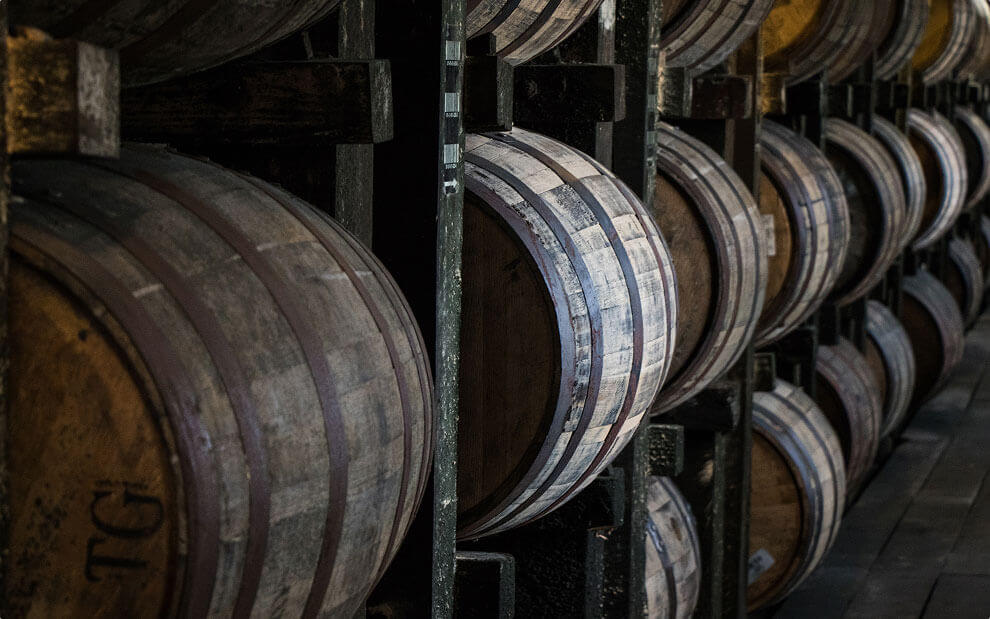
After Prohibition, bourbon became America’s whiskey of choice. While it’s closely tied to Kentucky, it can be made anywhere in the U.S. To be called bourbon, it must:
Whiskey declined in the '70s–'90s as vodka and tequila rose. But in the 2000s, the craft spirits movement revived it. New distillers focused on quality, innovation, and tradition—sparking a whiskey renaissance.
Proof that you can’t keep a good spirit down.
Officially recognized in 2024, American Single Malt is now a growing category. To qualify, it must:
It blends Scotch-inspired methods with American creativity—experimenting with barrel finishes, local climates, and new flavors. It’s the future of U.S. whiskey: bold, local, and innovative.

Let’s get to know the three whiskeys that will lead our journey:
You’ve tasted, guessed, and learned. Give your palate a quick reset, and when you're ready, tackle the final lesson assessment. Nothing too serious, just a few smartass questions to make sure it all stuck.
That was a big step in your whiskey journey.
Now’s a great time to let your palate rest and let what you’ve learned settle in.
And guess what? Lesson 2 is ready and waiting.
GO TO LESSON 2